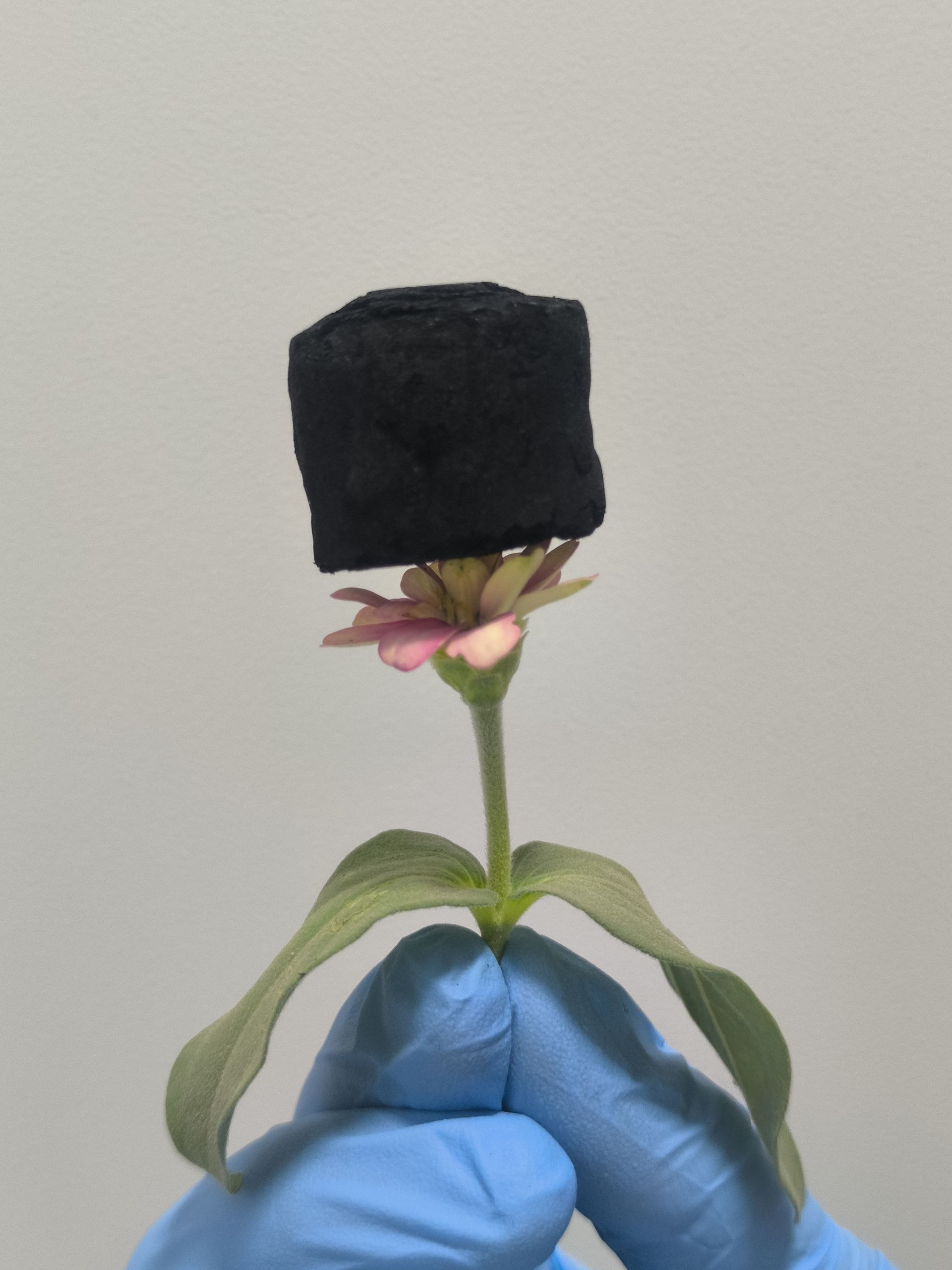
Advanced Materials
Applications
Aerospace thermal insulation and spacesuits
Energy storage devices and supercapacitors
Oil spill cleanup and environmental remediation
Thermal management in electronics
Lithium-ion battery electrodes
Electromagnetic shielding
Microwave absorption materials
Thermal sportswear and protective clothing
Building insulation materials
Sensors and flexible electronics
Key Benefits
Lightest solid material known (lighter than helium)
Exceptional thermal insulation properties
High electrical and thermal conductivity when needed
Super-elastic with full shape recovery
Environmentally friendly and sustainable
High mechanical strength despite low weight
Excellent oil and organic pollutant absorption
Stable under extreme temperature conditions
Customizable properties through synthesis control
Potential replacement for rare materials like helium
Technical Specifications
Density
0.16 mg/cm³ (7.5 times lighter than air)
Surface Area
850-2000 m²/g
Thermal Conductivity
0.003-0.004 W/m·K (ultra-low)
Electrical Conductivity
High (inherits graphene properties)
Porosity
99.98% air by volume
Mechanical Strength
Ultra-strong despite low weight
Temperature Resistance
Up to -321°F (-196°C)
Compression Recovery
Full elastic recovery after compression